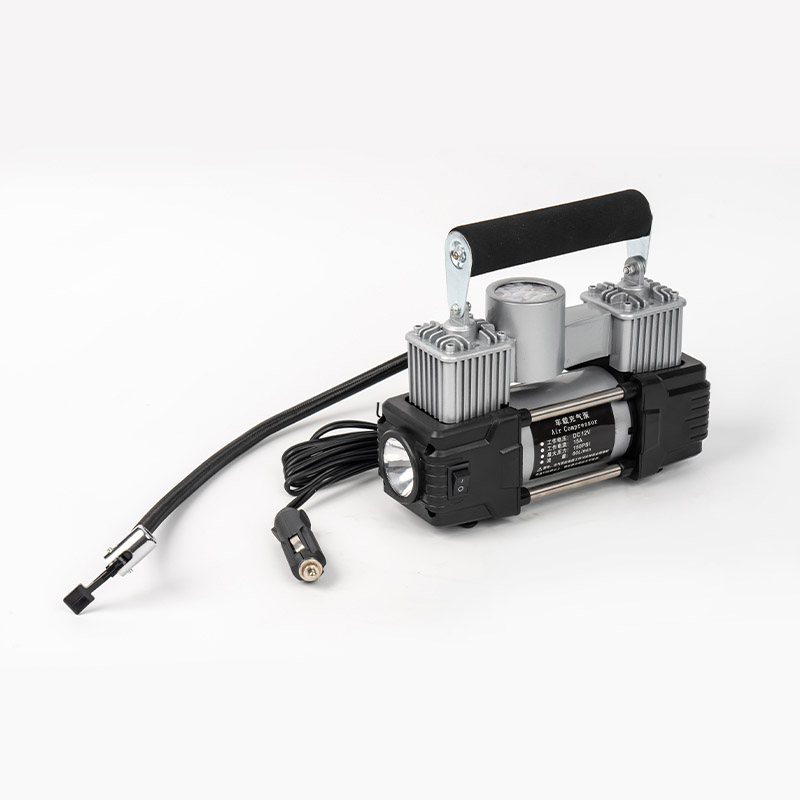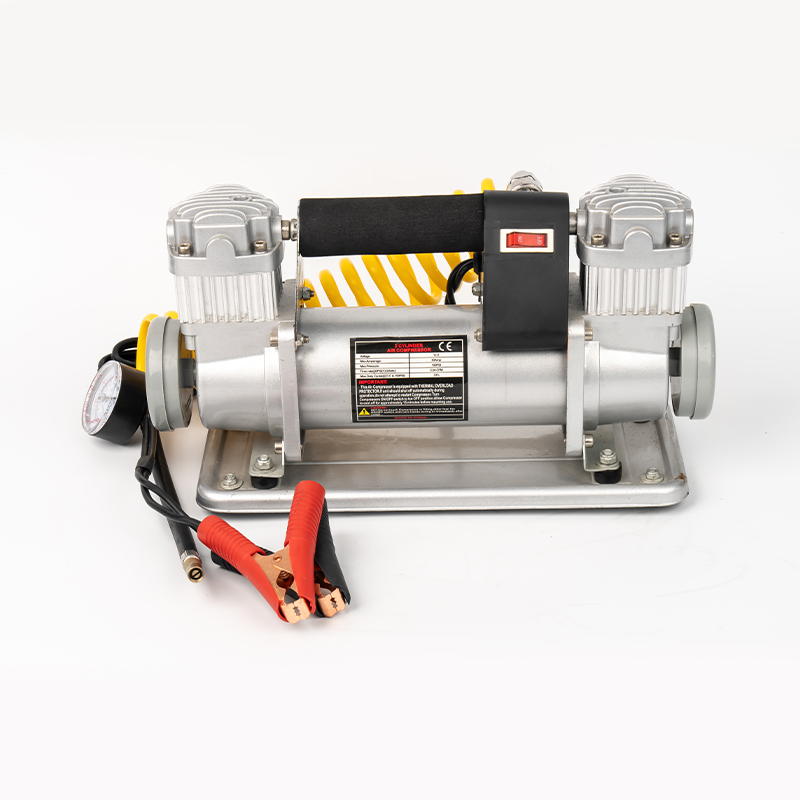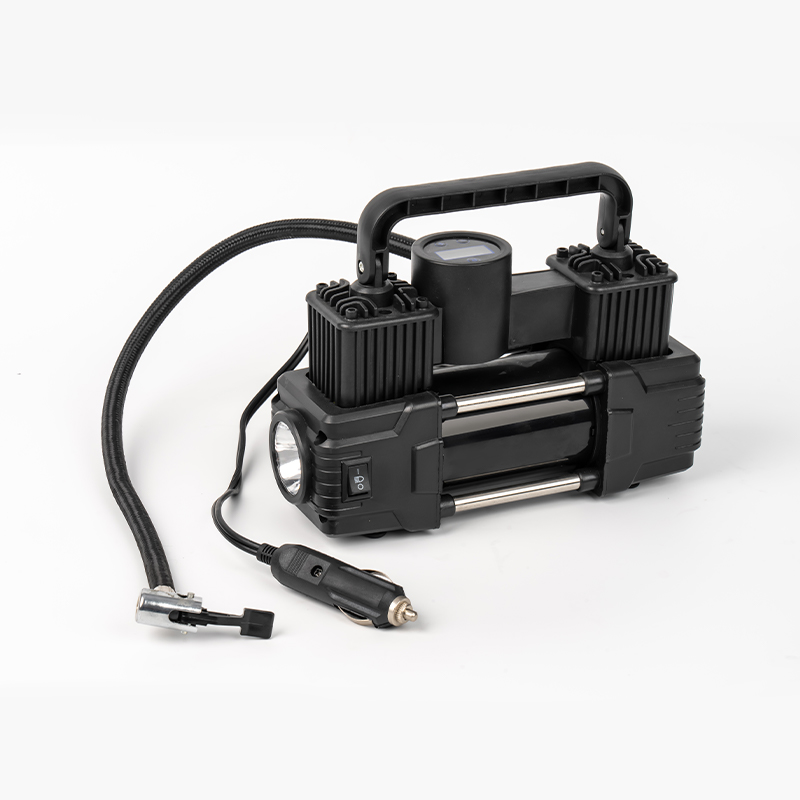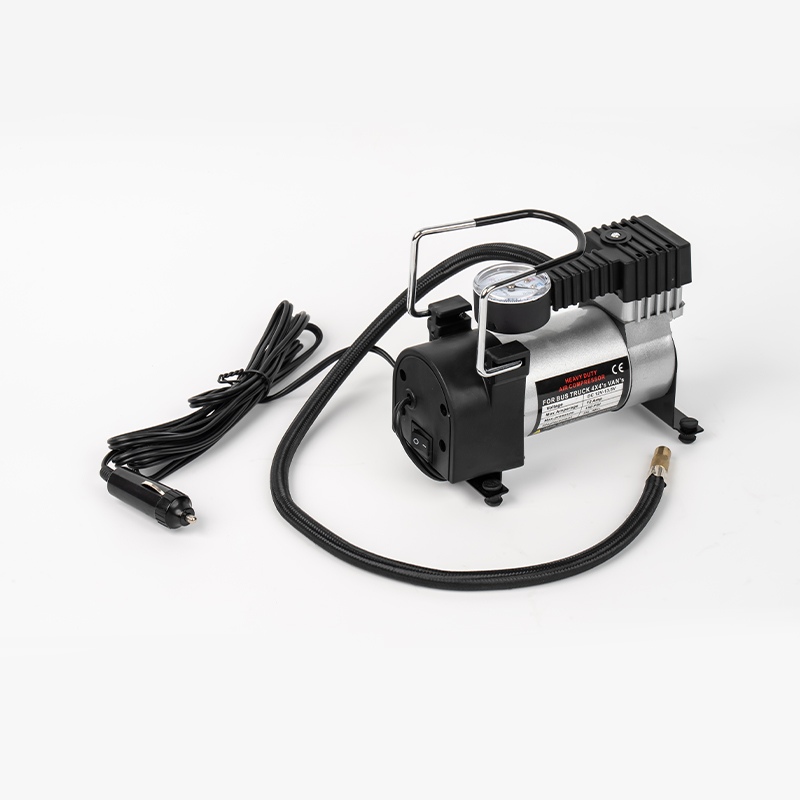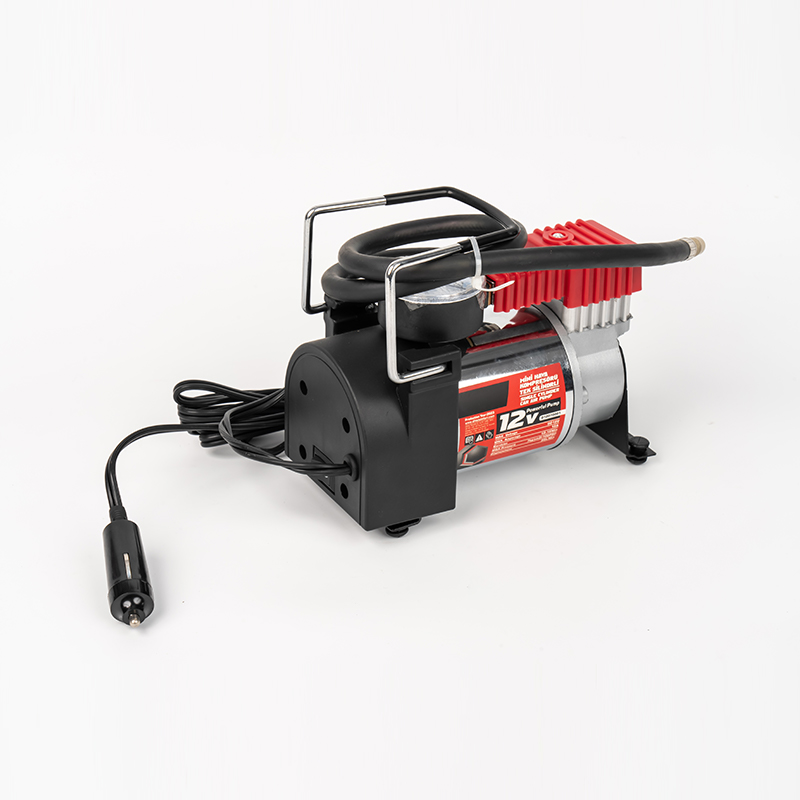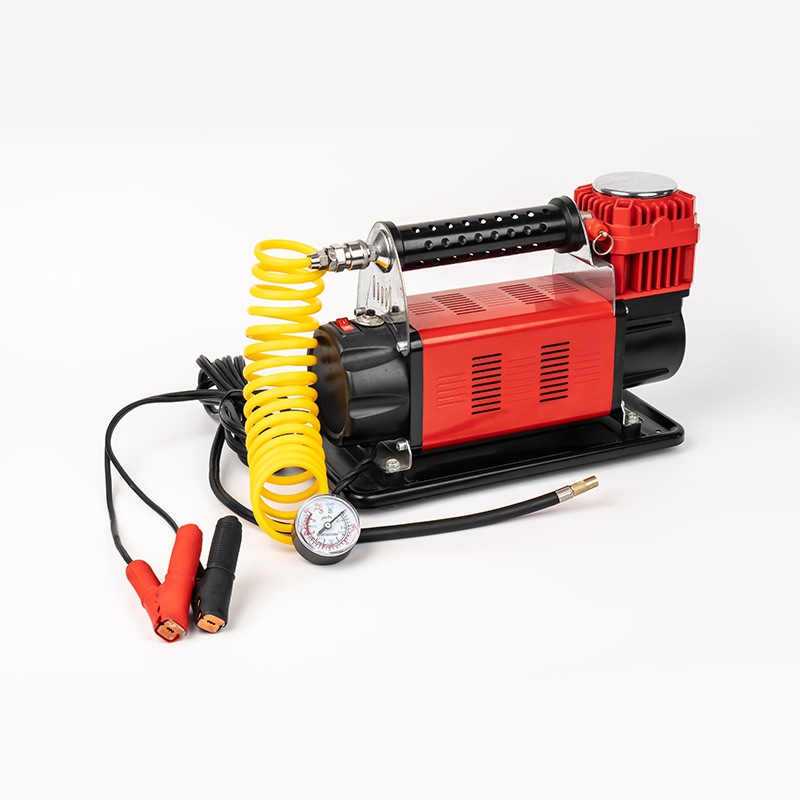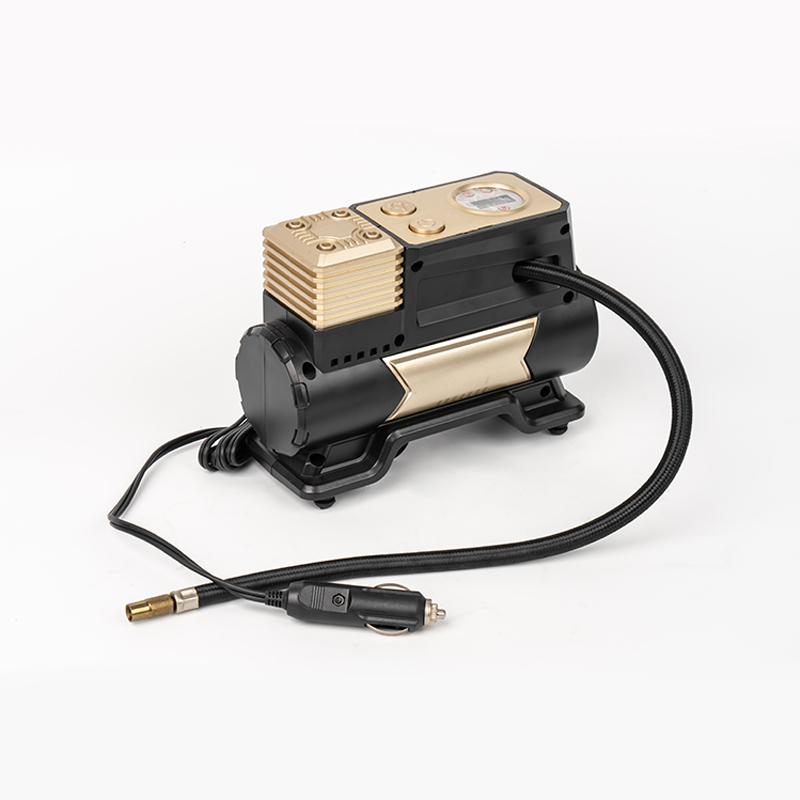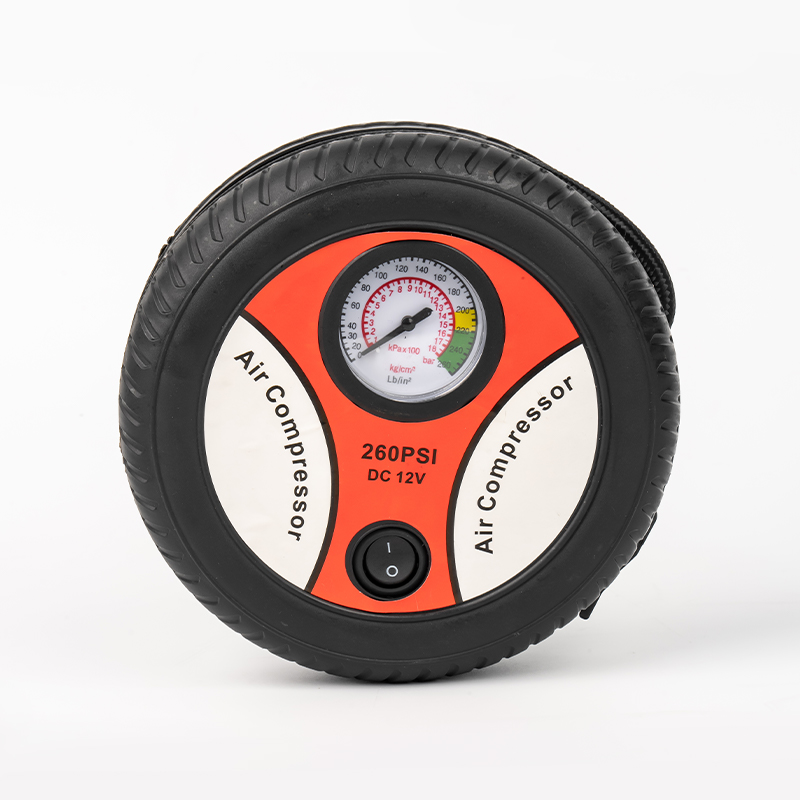
The quietest portable air compressors are oil-free oilless rotary or scroll-type models rated between 40 and 60 decibels (dB), which is roughly the loudness of normal conversation or a quiet office, compared to the 75–90 dB produced by standard oil-lubricated piston compressors of similar tank size. Rather than pointing to one single "quietest" product, the real answer lies in understanding which compressor technologies and design features actually reduce noise, since that knowledge lets you compare any model's published decibel rating with confidence and pick the right unit for noise-sensitive environments like apartments, home workshops, or medical and dental offices.
How Decibel Levels Translate Into Real-World Compressor Noise
The decibel (dB) scale is logarithmic, meaning every increase of 10 dB represents roughly a doubling of perceived loudness — so a compressor rated at 60 dB is not just "a little quieter" than one rated at 80 dB, it sounds dramatically quieter to the human ear. Understanding this scale is essential before comparing any compressor's published noise rating, since a seemingly small numeric difference on a spec sheet often reflects a much larger real-world difference in comfort.
According to occupational noise exposure guidance published by the U.S. Occupational Safety and Health Administration (OSHA), prolonged exposure to sound levels above 85 dB can contribute to hearing damage over time, which is precisely the range many standard oil-lubricated piston compressors fall into or exceed during operation. This is one of the most practical reasons noise rating matters beyond simple comfort — it has a real occupational health dimension for anyone using a compressor regularly in an enclosed space.
| Decibel Level | Comparable Everyday Sound | Typical Compressor Category |
| 40–50 dB | Quiet library, soft background music | Premium oil-free scroll/rotary compressors |
| 55–65 dB | Normal conversation, light traffic | Standard oil-free or hypoid-gear compressors |
| 70–80 dB | Vacuum cleaner, busy restaurant | Mid-range single-stage piston compressors |
| 85–100 dB | Power tools, lawnmower at close range | Heavy-duty industrial piston compressors |
Caption: Decibel ranges for common portable air compressor categories compared against familiar everyday sound levels.
Which Compressor Technologies Are Inherently Quieter?
Oil-free rotary and scroll compressors are inherently quieter than traditional oil-lubricated piston compressors because they eliminate the reciprocating piston motion and metal-on-metal valve clatter that account for most of a standard compressor's noise output. The mechanical design of a compressor is the single biggest factor determining its baseline noise level, more so than tank size, horsepower, or brand-specific engineering tweaks layered on top of a given core design.
Piston (Reciprocating) Compressors
Piston compressors generate noise primarily through the repeated up-and-down motion of the piston and the clicking of intake and exhaust valves, typically producing 75 to 90 dB during operation, making them the loudest common category of portable compressor. They remain widely used because of their durability and lower cost, but their noise profile makes them poorly suited for noise-sensitive environments unless paired with additional sound-dampening enclosures.
Rotary Vane and Rotary Screw Compressors
Rotary vane and rotary screw compressors use a continuous rotational motion rather than a reciprocating piston, which produces a smoother, lower-pitched sound typically in the 60 to 70 dB range for portable models. The absence of repeated valve impacts is the primary reason these designs run noticeably quieter than piston-based units of similar output capacity.
Scroll Compressors
Scroll compressors use two interleaving spiral-shaped scrolls that compress air smoothly as they rotate, producing some of the lowest noise levels available in portable compressors, often in the 40 to 55 dB range. This technology is widely used in medical, dental, and laboratory settings specifically because of its quiet operation and oil-free air output, both of which are essential in clinical environments.
Comparing Compressor Types Side by Side for Noise Output
When comparing compressor types directly, scroll and rotary designs consistently outperform piston compressors on noise, but this advantage typically comes with trade-offs in price, weight, and maximum pressure output that buyers need to weigh against their specific use case.
| Compressor Type | Typical Noise Level | Relative Price | Best Use Case |
| Oil-lubricated piston | 75–90 dB | Low | Heavy-duty workshop or job site use |
| Oil-free piston | 68–80 dB | Low–Medium | Light DIY tasks, infrequent use |
| Rotary vane | 60–70 dB | Medium | Home workshops, continuous moderate use |
| Scroll compressor | 40–55 dB | High | Medical, dental, laboratory, noise-sensitive settings |
| Hypoid-gear belt-drive | 55–65 dB | Medium–High | Garage workshops, indoor residential use |
Caption: Side-by-side comparison of portable air compressor types by typical noise level, relative price, and ideal use case.
Why Tank Size and Motor Speed Also Affect Perceived Noise
Beyond core mechanical design, motor speed (measured in RPM) and duty cycle both significantly influence how loud a compressor sounds in practice, since a compressor that runs at lower RPM or cycles less frequently produces less cumulative noise exposure even if its peak decibel rating is similar to a competing unit.
Motor RPM and Sound Pitch
Lower-RPM motors, often in the 1,200 to 1,800 RPM range, tend to produce a deeper, less piercing sound than higher-RPM motors running at 3,000+ RPM, even when the raw decibel readings are comparable. Many noise-sensitive buyers report finding low-RPM compressors more tolerable for extended use precisely because the pitch of the sound, not just its volume, affects comfort.
Tank Size and Duty Cycle
A larger tank means the compressor's motor cycles on less frequently to maintain pressure, which reduces the total time spent actively running and producing noise during a typical work session. A small 1-gallon compressor with a high duty cycle may need to run almost continuously under sustained tool use, while a 20-gallon tank of the same compressor type allows for long stretches of quiet between motor cycles.
How to Read and Compare Manufacturer Noise Ratings Accurately
Manufacturer-published decibel ratings can vary in how they were measured, so understanding the testing method behind a published number is essential to making an accurate comparison between two different compressor models.
- Measurement distance matters — A rating measured 1 meter from the unit will read differently than one measured 3 meters away, since sound intensity decreases with distance; always check whether the published spec states the measurement distance.
- Look for standardized testing references — Ratings measured according to recognized acoustic testing standards, such as those published by the International Organization for Standardization (ISO) for sound power measurement, offer more reliable comparisons than ratings with no stated methodology.
- Idle vs. peak operation — Some published ratings reflect idle or standby noise, while others reflect peak noise during active compression; a rating that doesn't specify which condition was tested should be treated with some skepticism.
- Independent reviews and real-world testing — Cross-referencing manufacturer specs against independent third-party reviews and user-reported decibel measurements, when available, helps validate whether a published rating reflects realistic operating conditions.
Where Quiet Portable Compressors Are Most Needed
Quiet compressor technology matters most in environments where noise directly conflicts with the activity taking place — clinical settings, shared living spaces, and recording or broadcast environments are the clearest examples where standard piston compressor noise is simply incompatible with the work.
- Dental and medical offices — Patient comfort and the ability to communicate clearly during procedures make low-noise, oil-free scroll compressors the standard choice in these settings.
- Apartment and condo workshops — Shared walls and noise ordinances in multi-unit housing make rotary or scroll compressors far more practical than loud piston units for hobbyist or light DIY use.
- Home recording and broadcast studios — Any background equipment noise can interfere with audio recording, making near-silent compressor operation a functional requirement rather than just a comfort preference.
- Late-night or early-morning maintenance work — Facilities or homes where compressor use happens outside normal daytime hours benefit significantly from quieter equipment to avoid disturbing others nearby.
- Photography and film studios — Quiet operation prevents unwanted background noise from being picked up during video or audio capture on set.
How Maintenance and Placement Influence Long-Term Noise Levels
Even the quietest compressor design will get louder over time without proper maintenance, since worn bearings, loose fasteners, and degraded vibration mounts all introduce additional noise that has nothing to do with the unit's original engineering. Maintenance habits and physical placement decisions are often overlooked factors that can meaningfully affect how loud a compressor sounds months or years after purchase.
Routine Maintenance That Keeps Noise Levels Stable
Regularly checking and tightening mounting bolts, replacing worn vibration-dampening feet, and keeping intake filters clean all help a compressor continue operating at close to its original noise specification. A compressor with a clogged intake filter often has to work harder to draw in air, which can increase motor strain and the resulting noise output, even though the underlying mechanical design hasn't changed.
Placement and Surface Choices
Placing a compressor on a hard, resonant surface like bare concrete or tile can amplify vibration-transmitted noise, while a rubber mat or dedicated anti-vibration pad placed underneath absorbs much of that energy before it spreads through the floor. Positioning a compressor away from walls and corners also helps, since sound reflecting off nearby hard surfaces can make a unit seem louder than its actual decibel rating would suggest in an open space.
Frequently Asked Questions About Quiet Portable Air Compressors
Is an oil-free compressor always quieter than an oil-lubricated one?
Not necessarily — "oil-free" refers to the lubrication method, not the noise level directly, and some oil-free piston compressors can actually run louder than oil-lubricated models of similar size, since removing oil lubrication sometimes requires a faster motor speed to compensate. The mechanical design (piston vs. rotary vs. scroll) is a more reliable predictor of noise level than oil-free status alone.
Can I reduce the noise of a loud compressor I already own?
Yes, to some degree — placing the compressor inside a ventilated sound-dampening enclosure or box lined with acoustic foam can meaningfully reduce perceived noise, and setting it on a vibration-dampening pad reduces noise transmitted through floors and surfaces. These modifications typically reduce noise by a noticeable but limited margin and cannot fully match the quietness of a compressor designed from the ground up for low noise output.
Do quieter compressors sacrifice air pressure or performance?
Not inherently — quiet compressor technologies like rotary and scroll designs can deliver comparable PSI and CFM (cubic feet per minute) output to piston compressors in the same class, though extremely high-pressure or high-volume industrial applications may still rely on larger, louder equipment simply because ultra-quiet designs at that scale are less commonly available or significantly more expensive.
How accurate are decibel ratings printed on compressor packaging?
Accuracy varies by manufacturer and testing rigor, which is why it helps to check whether the rating references a recognized measurement standard and at what distance the reading was taken. Ratings without any stated methodology should be treated as a rough guide rather than a guaranteed real-world figure, and cross-referencing with independent reviews provides a more reliable picture.
What decibel level is considered safe for extended daily exposure?
Occupational noise exposure guidance from OSHA indicates that sustained exposure to noise levels at or below 85 dB over a standard workday is generally considered within safe limits for hearing protection purposes, with permissible exposure time decreasing as noise levels rise above that threshold. This is a useful benchmark when evaluating whether a compressor's published noise rating is appropriate for frequent, prolonged use in an enclosed space.
Are quiet compressors more expensive than standard ones?
Generally yes — scroll and rotary compressor technologies require more precise manufacturing tolerances than simple piston designs, which typically translates into a higher purchase price for a comparable air output capacity. Buyers in noise-sensitive environments often consider this a worthwhile trade-off given the practical and sometimes regulatory necessity of quiet operation in settings like clinics or shared housing.
Conclusion
The quietest portable air compressors share a common foundation: rotary or scroll-based mechanical designs operating in the 40 to 65 dB range, rather than the piston-based designs that dominate the louder end of the market at 75 dB and above. Rather than chasing a single named "quietest" product, the smarter approach is comparing the underlying compressor technology, checking how and where the published decibel rating was measured, and matching that information to your specific noise tolerance and use case.
Whether you need a compressor for a dental office, an apartment workshop, or a home recording studio, understanding the real mechanical drivers of compressor noise — not just a marketing claim of "quiet operation" — puts you in a far stronger position to choose equipment that will actually meet your noise expectations once it's running in your own space.